How Can Someone Look Healthy And Still Have Stage 4 Cancer?
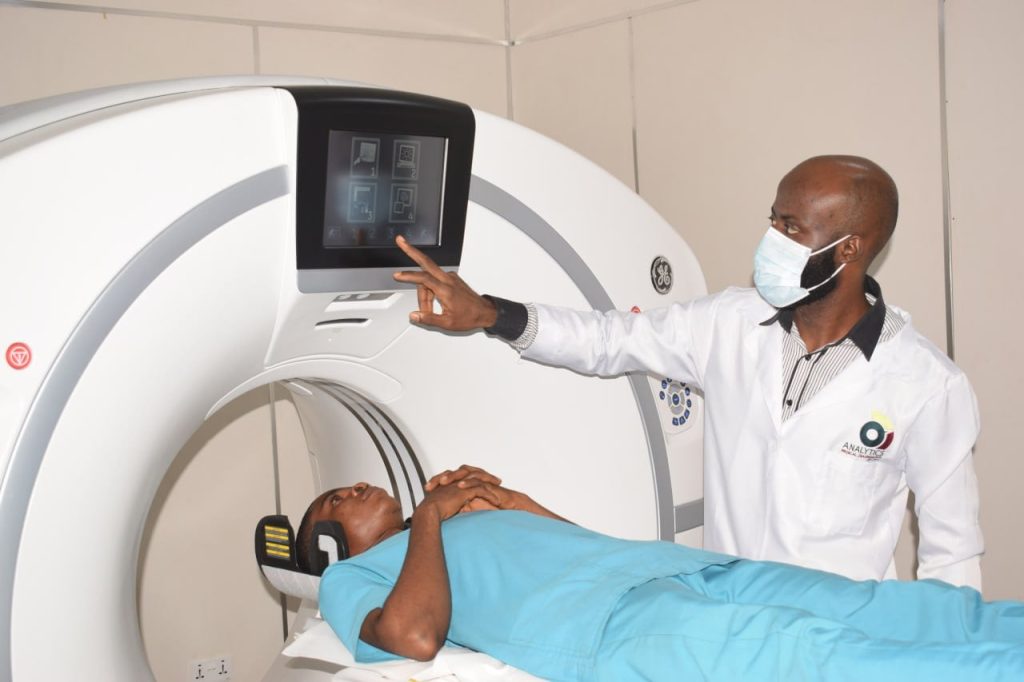
Photo Credit: PUNCH Healthwise
A person can look healthy, go about their daily activities and feel little or no pain, only to be diagnosed with advanced cancer during a medical examination.
While such a diagnosis may appear sudden, the cancer itself may have been developing for a much longer period without producing obvious warning signs.
According to the National Cancer Institute, cancer does not always cause symptoms, and some cancers can be detected before symptoms develop. This is one reason certain screening tests are important.
Why can cancer remain hidden?
Cancer develops when abnormal cells grow uncontrollably. Depending on where the cancer begins and how quickly it grows, it may not immediately interfere with the body’s normal functions.
A person may therefore continue eating, working, sleeping and carrying out normal activities without realising that a serious disease is developing.Some cancers only become noticeable when they begin affecting surrounding organs, nerves or other parts of the body.
Does Stage 4 mean the cancer was recently discovered?
No.
Stage 4 describes the extent of the cancer, not when it was discovered.
For many cancers, Stage 4 means the cancer has spread from where it originally started to distant parts of the body.
Therefore, someone could discover they have Stage 4 cancer today even though the disease may have been developing for months or years.
Does cancer always cause pain?
No.
Pain is not a universal symptom of cancer. Some people with cancer experience significant pain, while others have little or none, particularly in the earlier stages.
When cancer does cause pain, the nature of the pain can vary depending on its location and whether it affects organs, bones or nerves.
This is why the absence of pain should not automatically be interpreted as proof that nothing serious is wrong.
How is cancer diagnosed?
There is no single test that diagnoses every type of cancer.
Depending on what doctors suspect, they may use a combination of physical examinations, laboratory tests, imaging scans and other investigations. A biopsy, in which a sample of tissue is examined, is often used to confirm the presence and type of cancer.
The lesson
One of the most important lessons is that looking healthy does not always mean everything inside the body is healthy.
Persistent or unusual symptoms should be discussed with a qualified healthcare professional, while people should follow appropriate screening recommendations for their age and risk factors.
And when a person receives a cancer diagnosis, especially an advanced one, it does not necessarily mean the disease suddenly appeared.
Sometimes, the diagnosis is sudden even when the disease itself has been developing silently for a long time.
This article is for general health information and does not diagnose or explain any individual’s medical condition.
Follow us for more news updates…
Author