Good News On Inflation, Bad News On Food Prices
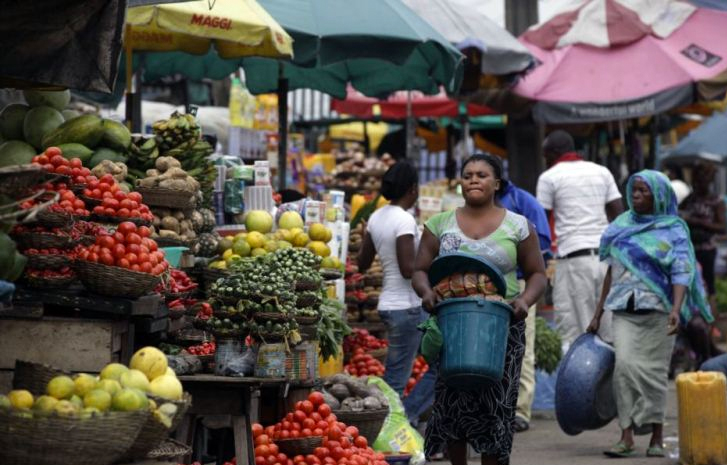
There was a mixed bag for Nigerian consumers in July as the country’s headline inflation rate eased, but food prices continued to rise sharply.
According to the latest Consumer Price Index report released by the National Bureau of Statistics (NBS) on Monday, headline inflation dropped to 15.43 per cent in July 2026, from 15.91 per cent in June.
The figure represents a 0.48 percentage-point decline, while month-on-month inflation also fell from 1.66 per cent in June to 1.57 per cent in July.
However, the relief was not reflected in the food market.
The NBS reported that food inflation rose to 5.56 per cent month-on-month in July, up significantly from 3.75 per cent in June.
On a year-on-year basis, food inflation stood at 20.31 per cent, although this was lower than the 26.20 per cent recorded in July 2025.
The bureau attributed the food price increases to changes in the prices of several commodities, including rice, water yam, plantain, crayfish, fresh pepper, onions, carrots, tomatoes, garri, beef, eggs and ginger.
The impact varied across the states. Adamawa recorded the highest month-on-month food inflation at 17.02 per cent, followed by Lagos at 13.48 per cent and Borno at 13.26 per cent.
Jigawa, Kebbi and Bauchi, however, recorded declines in food inflation during the month.
On a year-on-year basis, Adamawa again recorded the highest food inflation at 51.36 per cent, followed by Katsina at 30.84 per cent and Zamfara at 30.65 per cent.
The latest figures therefore present a mixed picture for Nigerians: overall inflation is slowing, but the rising cost of food continues to squeeze household budgets.
Follow us for more news updates…
Author