The International Monetary Fund’s (IMF) report highlighting about ₦8.8 trillion in unrecorded government expenditure has reignited debate over Nigeria’s fiscal transparency, with an accounting expert urging greater accountability in the management of public finances.
The IMF, in its 2026 Article IV Consultation Report released in June, said the Nigerian government recorded ₦8.8 trillion in expenditure that was not reflected in official budget documents, representing about two per cent of the country’s Gross Domestic Product (GDP).
The report has since sparked criticism from opposition figures, including former presidential candidates Atiku Abubakar and Peter Obi, who questioned the handling of the funds.
However, the Federal Government dismissed suggestions that the money was missing. Finance Minister Taiwo Oyedele said the IMF’s observations related to differences in fiscal reporting and not unaccounted or stolen funds.
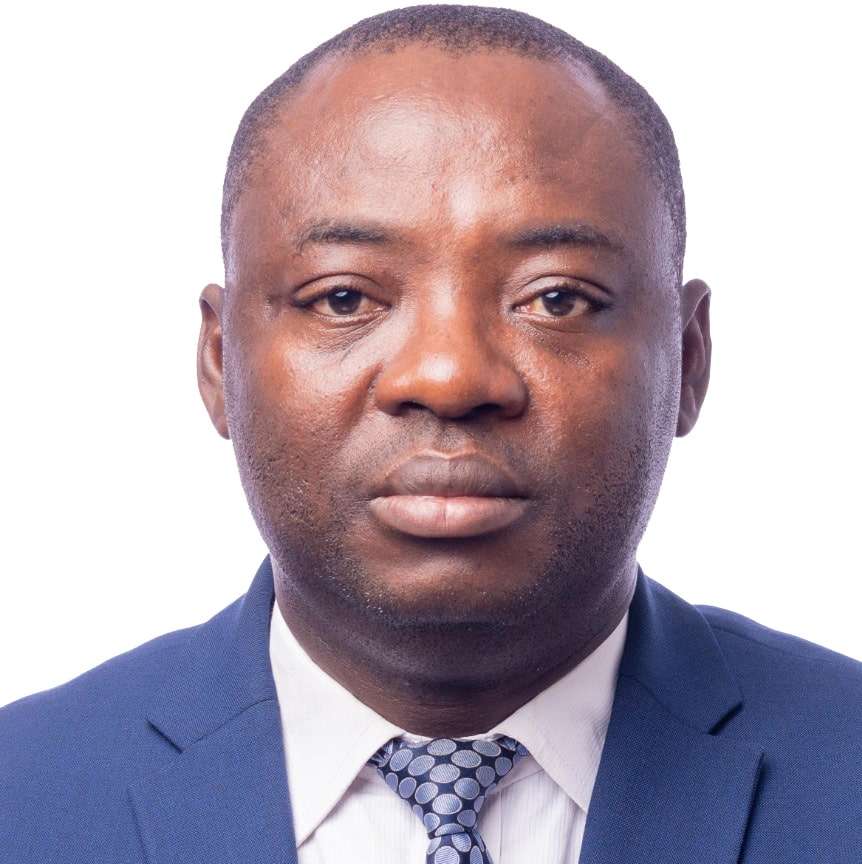
Speaking on the development, Professor Godwin Oyedokun, a professor of Accounting and Finance at Lead City University, said the controversy should be seen as a test of Nigeria’s commitment to transparency rather than a conclusion that public funds had disappeared.
According to him, the key issue is whether government financial records provide adequate transparency, reconciliation and accountability.
“The matter raises significant governance and fiscal management questions,” Oyedokun said, noting that public confidence in ongoing economic reforms depends on timely financial disclosures, independent audits and effective legislative oversight.
He warned that prolonged uncertainty over public finances could weaken investor confidence, increase Nigeria’s borrowing costs and erode public trust in government reforms.
Oyedokun also called for stronger public financial management through improved treasury systems, stricter compliance with fiscal regulations and enhanced oversight by the National Assembly and the Auditor-General.
He added that addressing the IMF’s observations transparently could strengthen confidence in the government’s reform agenda, stressing that sustainable economic growth depends on ensuring every naira of public expenditure is traceable and accountable.
Follow us for more business and economy updates.
Author